Some links on this site are affiliate links. We may earn a commission at no cost to you. Learn more.
Clay Tile vs Concrete Tile Roofing: A Complete Comparison
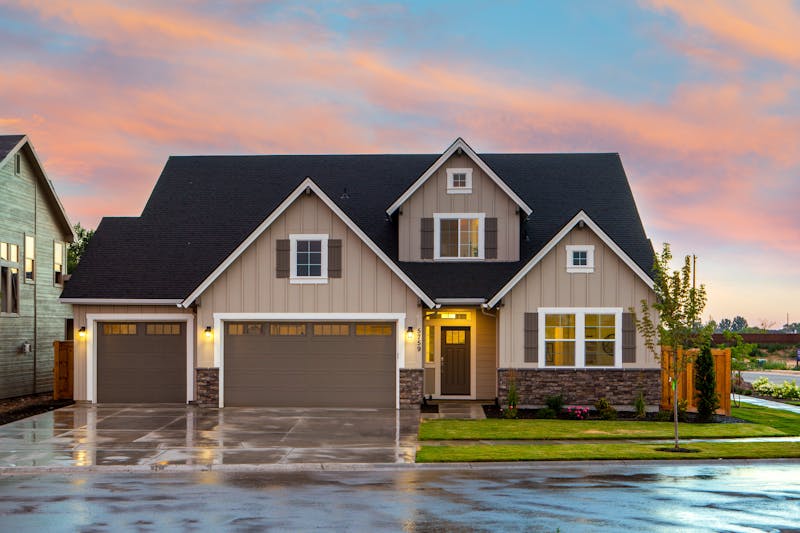
Tile roofing is one of the oldest and most enduring forms of residential roofing in the world. In the American Southwest, Mediterranean-influenced markets like Florida and Southern California, and increasingly in Sunbelt states across the country, tile remains the dominant premium roofing choice — for good reason. It looks beautiful, performs exceptionally well in hot and dry climates, and can last longer than almost any other roofing material.
But when you’re specifying or shopping for tile, you face an immediate choice: clay or concrete. These are not the same product. They differ in weight, lifespan, color stability, cost, and structural requirements in ways that genuinely matter to the long-term performance and appearance of your home.
Clay Tile: The Original
Clay tile has been used on roofs for at least 5,000 years. Modern clay roofing tiles are manufactured from natural clay — typically a mixture of clay minerals, shale, and water — extruded or pressed into shape and fired in a kiln at high temperatures (around 2,000°F). The firing process vitrifies the clay, making it extremely dense, impervious to moisture, and resistant to weathering.
Lifespan: Clay tile properly installed on an appropriate structure routinely lasts 50–100 years. In protected environments and with periodic maintenance (re-bedding, replacing cracked tiles, cleaning), clay tile roofs over 100 years old are not unusual in Mediterranean climates.
Color: This is a major differentiator. Clay tile color is achieved in two ways — through the natural color of the clay body itself (varying from buff to terra cotta to deep red depending on mineral content), or through engobe or glaze applied before firing. Either way, the color is integrated into or bonded to the ceramic structure of the tile. It does not fade the way surface coatings do. A clay tile roof installed in 1990 typically looks remarkably similar in color to the day it was installed.
Weight: Heavy. Standard clay tile weighs 900–1,200 lbs per square (100 sq ft). This is 4–6 times the weight of asphalt shingles. Not all residential structures can support clay tile without reinforcement.
Cost: Clay tile is a premium product. Installed costs typically range from $15,000–$40,000 for a standard residential roof, with premium imported or specialty profiles (Spanish S-tile, French interlocking, barrel mission tile) running considerably higher.
Water absorption: Fired clay tile has low porosity. Standard clay tile absorbs 3–6% of its weight in water — though the rate varies by firing temperature and clay body. Some premium clay tiles achieve absorption rates under 1%.
Concrete Tile: The Modern Alternative
Concrete tile was developed in the 1840s in Europe and reached mainstream American residential use in the mid-20th century. It’s manufactured from Portland cement, sand, water, and pigments, pressed or extruded under high pressure into the same profiles as clay tile. The resulting product is dense, heavy, and shaped to mimic clay tile profiles — at a substantially lower price.
Lifespan: Concrete tile is rated for 30–50 years by most manufacturers. In practice, the tile bodies themselves often last longer — the more common failure mode is color degradation, the breakdown of the surface coating, and re-bedding failures of ridge and hip caps rather than the tile cracking through.
Color: This is concrete tile’s key weakness relative to clay. Concrete tile achieves color through surface pigment applied during manufacturing — either as a slurry coating on the tile surface or mixed into the concrete body. Over 10–20 years, the surface coating weathers and the color fades. The fading isn’t uniform; tiles weather differently depending on their exposure, producing a blotchy, uneven appearance that becomes increasingly difficult to address without full re-painting or replacement.
Manufacturers have made improvements — some now offer through-body color that fades more slowly and more uniformly — but even the best concrete tile color is not equivalent to clay tile’s permanence.
Weight: Concrete tile is slightly heavier than clay — 900–1,300 lbs per square. In practice, this difference is small enough that structural requirements are evaluated the same way for both materials.
Cost: Concrete tile is meaningfully less expensive than clay. Installed costs typically run $10,000–$22,000 for a standard residential roof, depending on profile, color, and region.
Water absorption: Concrete tile absorbs more water than clay — typically 8–13% by weight, versus 3–6% for clay. In freeze-thaw climates, this higher absorption rate is a significant durability concern: water that saturates the tile and then freezes will eventually cause spalling and cracking. This is why concrete tile performs better in warm, dry climates and is rarely specified in the northern tier of the US.
Weight and Structural Requirements
This is the first question any architect, contractor, or homeowner should ask before specifying tile roofing: can my structure support it?
| Roofing Material | Weight (per square) |
|---|---|
| Asphalt shingles | 200–300 lbs |
| Architectural asphalt | 300–400 lbs |
| Wood shakes | 300–500 lbs |
| Concrete tile | 900–1,300 lbs |
| Clay tile | 900–1,200 lbs |
| Slate (standard) | 700–1,500 lbs |
Both clay and concrete tile impose structural loads 3–4 times greater than the asphalt shingle roofs most American homes were originally designed for. Before converting an existing home from asphalt to tile, a structural assessment is required. Depending on the framing, retrofits may require:
- Adding or sistering rafters for additional span capacity
- Reinforcing or replacing ridge board and hip framing
- Upgrading the ceiling joist system to carry the added dead load
- In some cases, reinforcing the wall plates and connections below
New construction intended for tile is specified accordingly from the start. Retrofit projects must be evaluated on a case-by-case basis, and skipping the structural assessment is a serious mistake.
Performance by Climate
| Climate | Clay Tile | Concrete Tile |
|---|---|---|
| Hot, dry (Southwest, desert) | Excellent — ideal application | Very good |
| Warm, humid (Florida, Gulf Coast) | Excellent | Good — watch for algae growth on porous surface |
| Mild Mediterranean (Southern CA) | Excellent | Very good |
| Hot, rainy (Southeast) | Good | Good — periodic cleaning recommended |
| Cold climate (Midwest, Northeast) | Not recommended (weight, freeze risk) | Not recommended (water absorption + freeze) |
| High wind coastal | Good (heavy = wind resistant) | Good |
| Wildfire-prone areas | Excellent (Class A fire resistance) | Excellent (Class A fire resistance) |
Both tile types earn Class A fire resistance ratings — the highest possible — because fired clay and concrete are non-combustible. This is a significant advantage in wildfire-prone areas in California, Arizona, Colorado, and other western states.
Installation Requirements
Tile roofing is not a standard asphalt shingle installation. Key differences:
Battens. Most tile roofing systems require horizontal wood or metal battens attached to the deck over the underlayment. Tiles hook over or fasten to these battens rather than laying flat on the deck. Batten installation must follow specific spacing and species requirements.
Underlayment. Tile installations use heavier-duty underlayment than asphalt work — typically a two-layer system of self-adhering membrane at vulnerable areas (eaves, valleys, penetrations) and a high-performance base sheet or cap sheet over the field. The underlayment, not the tile, provides the primary waterproofing — the tiles themselves are the weather barrier that reduces rain and UV exposure to the underlayment.
Mortar bedding. Ridge caps, hip caps, and raked edges are typically set in mortar — a mix of Portland cement, sand, and water (sometimes with polymer additives). Mortar bedding fails over time and requires periodic inspection and re-bedding, typically every 15–25 years.
Fastening. Most codes require mechanical fastening (screws or nails) for tiles in addition to or instead of mortar bedding, especially in high-wind zones.
Slope requirements. Clay and concrete tile require a minimum 4:12 pitch for full exposure installation. At lower slopes (3:12 to 4:12), increased underlayment and headlap are required per local code.
Contractor specialization. Tile roofing installation requires specialized knowledge and experience. Not every roofer is qualified to install tile correctly. Ask for references and verify previous tile work before hiring.
Cost Comparison Summary
| Factor | Clay Tile | Concrete Tile |
|---|---|---|
| Material cost (per sq) | $150–$350 | $80–$180 |
| Installed cost (2,000 sq ft home) | $15,000–$40,000 | $10,000–$22,000 |
| Structural retrofit (if needed) | $2,000–$10,000 | $2,000–$10,000 |
| Lifespan | 50–100 years | 30–50 years |
| Color permanence | Excellent — does not fade | Moderate — fades over 15–25 years |
| Long-term cost per year | Lower | Higher (shorter lifespan, repainting) |
When you divide total lifecycle cost by expected years of service, clay tile often compares favorably to concrete despite the higher upfront cost — particularly for homeowners planning to stay in the home long-term or building new construction with a 50+ year perspective.
Maintenance Considerations
Both tile types require similar maintenance:
- Periodic inspection (every 3–5 years, or after major storms) for cracked or slipped tiles
- Re-bedding of ridge and hip cap mortar every 15–25 years
- Underlayment replacement at end of underlayment life — typically 20–30 years depending on product, even if tiles are still intact
- Cleaning for algae, lichen, or moss growth — especially in humid climates. Treat with roof-safe algae cleaner; do not pressure wash at high pressure, which can damage tile surfaces
Concrete tile additionally requires monitoring of color degradation and surface coating condition. Some homeowners choose to re-coat faded concrete tile with elastomeric roof coating or tile-specific paint products — this can restore appearance but is a recurring maintenance expense that clay tile doesn’t require.
Which Should You Choose?
Choose clay tile if:
- You want the longest possible lifespan and are building or planning to stay long-term
- Color permanence is important — you don’t want the roof to look weathered and blotchy in 20 years
- You’re in a hot, dry, or Mediterranean climate
- Budget allows for the premium investment
- You want the authentic material used in traditional Spanish Colonial, Mission, or Mediterranean architecture
Choose concrete tile if:
- Budget is a significant constraint but you still want the tile aesthetic
- You’re in a warm climate without severe freeze-thaw cycles
- You’re comfortable with the expectation that the roof will require color maintenance after 15–20 years
- You’re planning a medium-term hold (10–20 years) rather than a multi-generational roof
- A lighter color roof is important for energy efficiency — concrete tile is available in a wider range of light colors than many clay tile lines
Both clay and concrete tile are excellent roofing materials that far outperform asphalt in the climates they’re suited for. The choice is primarily about budget, lifespan expectations, and how much you care about the roof’s appearance 25 years from now. If the answer to that last question is “a lot,” clay is worth the premium. If you’re practical about maintenance and watching the initial budget, concrete tile delivers most of the performance at meaningfully lower cost.
Get our free Roof Maintenance Checklist — delivered to your inbox.
No spam. Unsubscribe anytime.
Recommended Roofing Products

Owens Corning Duration Series Shingles
Industry-leading SureNail Technology for superior wind resistance. Duration shingles offer a lifetime limited warranty and exceptional curb appeal.
- ✓ SureNail Technology
- ✓ Lifetime limited warranty
- ✓ Wind resistant up to 130 mph
- ✓ Available in 50+ colors
As an Amazon Associate, we earn from qualifying purchases.
GAF Timberline HDZ Shingles
America's #1-selling shingle. LayerLock Technology grips 99.9% of nails for a stronger, safer roof installation.
- ✓ LayerLock Technology
- ✓ StainGuard Plus
- ✓ 130 mph wind resistance
- ✓ Good Housekeeping Seal
As an Amazon Associate, we earn from qualifying purchases.

Amerimax Home Products Gutter Guard
Easy snap-in installation keeps leaves and debris out of gutters. Fits standard 5-inch gutters and works with all gutter materials.
- ✓ Snap-in installation
- ✓ Fits 5-inch gutters
- ✓ UV stabilized
- ✓ Galvanized steel mesh
As an Amazon Associate, we earn from qualifying purchases.
Get Your Free Roof Maintenance Checklist
Join thousands of readers. Expert tips and guides delivered to your inbox — no spam, ever.
No spam. Unsubscribe anytime. View our Privacy Policy.
Need a Roofing Pro? Get a Free Estimate
Connect with a certified local roofer — no obligation.
Affiliate Disclosure
Some of the links on this page are affiliate links. If you click on one of these links and make a purchase, we may receive a small commission at no additional cost to you. This helps support our site and allows us to continue providing free content.
We only recommend products we believe in. All opinions are our own. We are a participant in the Amazon Services LLC Associates Program, an affiliate advertising program designed to provide a means for us to earn fees by linking to Amazon.com and affiliated sites.

ShingleScience Team
Roofing Contractor & Founder of ShingleScience