Some links on this site are affiliate links. We may earn a commission at no cost to you. Learn more.
Solar Shingles vs Solar Panels: Cost, Efficiency & Which Makes Sense
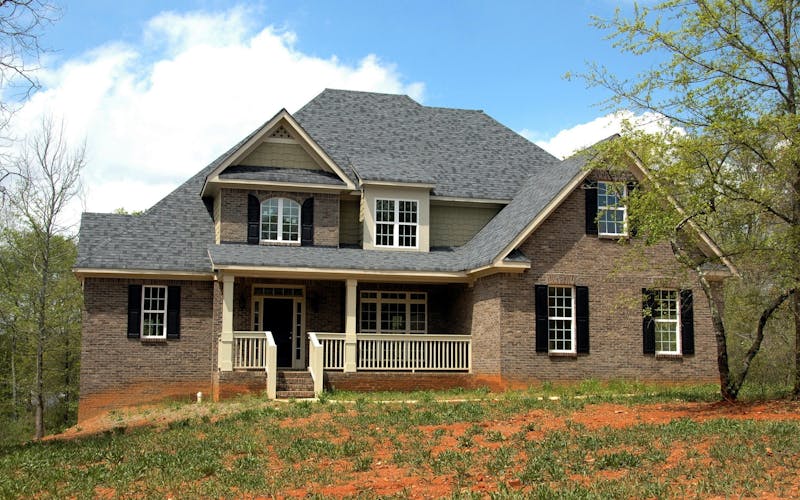
Residential solar has split into two very different product categories, and the gap between them is wider than most homeowners realize. Solar panels — the familiar rectangular modules mounted on racks above your existing roof — remain the dominant technology. Solar shingles integrate photovoltaic cells directly into roofing material, replacing your shingles rather than sitting on top of them. Both generate electricity from sunlight. Almost everything else about them is different.
Here’s how to think through the decision.
The Core Tradeoff in One Sentence
Solar panels give you more electricity per dollar. Solar shingles give you a better-looking roof that also generates electricity.
If your primary goal is maximum energy output and fastest payback, panels win. If you care deeply about aesthetics, are building new construction, or need a full roof replacement anyway, shingles become worth a serious look.
Cost Per Watt: The Honest Numbers
This is where the gap is starkest.
Solar panels in 2026 typically run $2.50–$3.50 per watt installed, including inverter, mounting hardware, and labor. A 10 kW residential system (enough for most 2,000–2,500 sq ft homes) runs $25,000–$35,000 before incentives. After the federal Investment Tax Credit (ITC, currently 30%), that drops to $17,500–$24,500.
Solar shingles run $4–$7 per watt installed — and that’s only counting the PV component. Because the shingles replace your entire roof, the roofing cost is bundled in. Manufacturers typically quote total project costs rather than $/watt, and a full Tesla Solar Roof or GAF Timberline Solar installation on a 2,000 sq ft home frequently runs $40,000–$80,000 total.
The fair comparison isn’t solar shingles vs. solar panels. It’s solar shingles vs. solar panels plus a new conventional roof. On that basis, the premium for shingles is more reasonable — but it’s still real.
Efficiency: How Much Roof You Need
Conventional solar panels from tier-1 manufacturers (SunPower, REC, Panasonic) achieve 20–23% efficiency, with some premium modules hitting 24–25%. Even mid-range panels from Q Cells or Canadian Solar run 19–21%.
Solar shingles currently achieve 14–20% efficiency depending on the product. Tesla Solar Roof tiles are rated around 22% for the active tiles, though only a portion of roof tiles are active — the inactive (non-PV) tiles that fill in the rest of the roof lower the effective system efficiency. GAF Timberline Solar shingles are rated at about 22% per shingle. Luma Solar claims similar numbers.
In practical terms: for the same electricity output, solar shingles require more roof area than panels. If you have a small or heavily shaded roof, this matters significantly.
Major Products and What Makes Them Different
GAF Timberline Solar
GAF’s entry integrates solar cells into standard-width shingles that install alongside conventional Timberline shingles using the same nailing pattern. Installers don’t need special training beyond their roofing certification plus a GAF training course. This makes the labor pool significantly larger than Tesla’s installer network, which can mean better pricing and faster scheduling. Per-watt efficiency is competitive, and the aesthetic blends well with standard asphalt roofs.
Tesla Solar Roof
Tesla’s system uses tempered glass tiles — both active (PV) and inactive — across the entire roof surface. Every tile is the same size and texture, giving the roof a distinctive, uniform look. The system pairs with a Tesla Powerwall battery, which is attractive for energy independence but adds cost. Tesla installs entirely through its own service network, which limits availability, has historically had long wait times, and means pricing is non-negotiable. See our full Tesla Solar Roof cost breakdown for more detail.
Luma Solar
Luma takes an installer-partnership model, working through certified roofing and solar contractors rather than direct installation. Their shingles are designed for steep-slope residential roofs and come with competitive efficiency ratings. Less brand recognition than Tesla, but more installer flexibility.
Standard Solar Panels
Brands like SunPower (now Maxeon), REC Alpha, Panasonic EverVolt, and Q Cells dominate the high-efficiency panel market. Panels are installed on racking systems that can be mounted on virtually any roof type, including existing roofs that aren’t due for replacement. The installer market is large and competitive, which keeps prices lower.
Aesthetics: Does It Actually Matter?
In neighborhoods where HOAs restrict visible rooftop equipment, solar shingles may be the only option. Some homeowners — particularly in high-end real estate markets — find racked panels visually objectionable on what are otherwise architecturally significant homes.
That said, most homeowners adapt quickly to the look of panels, and buyer surveys consistently show that solar (of any type) increases home resale value. The Zillow Research study most often cited found a ~4% premium for solar-equipped homes. Whether that premium is specific to shingles vs. panels hasn’t been well studied.
Installation Complexity
Solar panels can be added to an existing roof that has at least 5–10 years of remaining life. Installation typically takes 1–3 days for a residential system. Your existing roof is not disturbed. If you eventually need a new roof, panels are removed and reinstalled (an additional $1,500–$3,000 cost).
Solar shingles require a full roof tear-off and replacement. Installation takes 5–10 days for a full roof system. All electrical work is integrated during the roofing installation. This makes shingles most practical when you’re already replacing a roof — layering a shingle system onto an existing roof that has life left is a poor financial decision.
Who Should Choose Solar Shingles?
Solar shingles make the most financial sense when:
- You need a new roof anyway. The incremental cost over a premium conventional roof narrows considerably.
- You’re building new construction. No existing roof to worry about, and the PV system is designed in from the start.
- Aesthetics are a high priority. HOA requirements, architectural character of the home, or personal preference.
- You’re in a high-electricity-cost state (California, Hawaii, Massachusetts, Connecticut). Better economics compress the longer payback period.
- You want a single-vendor solution. Some homeowners prefer not to coordinate a separate roofing contractor and solar installer.
Who Should Choose Solar Panels?
Solar panels make more sense when:
- Your existing roof has 10+ years of life remaining. Don’t rip off a functional roof to install shingles.
- You want the fastest payback period. The lower $/watt cost means panels typically pay back in 6–10 years; shingles often take 12–20 years.
- You have a shaded or irregular roof. Panels can be placed optimally; shingles cover the whole roof surface.
- You want maximum design flexibility. Microinverters, power optimizers, and battery storage can all be integrated cleanly with standard panel systems.
- Budget is the primary constraint. The cost gap is real and significant.
ROI Timeline Comparison
For a 10 kW system in a state with average electricity rates (~$0.16/kWh), no net metering degradation, and 30% federal ITC applied:
| Solar Panels | Solar Shingles | |
|---|---|---|
| System cost (before ITC) | $30,000 | $55,000 (includes new roof) |
| After 30% ITC | $21,000 | $38,500 |
| Annual savings estimate | $2,200 | $2,200 |
| Simple payback | ~9.5 years | ~17.5 years |
These numbers vary enormously by location, electricity rates, roof size, and system design. They’re meant to illustrate the relative difference, not serve as a quote. Get multiple proposals from local installers before making any decision.
The Bottom Line
Solar shingles are a genuinely impressive technology that will continue to improve in efficiency and come down in cost. They are not yet a financial slam-dunk compared to conventional panels for most homeowners. But for new construction, full roof replacements, or homeowners where aesthetics are a deciding factor, the premium can be justified — especially in high-utility-cost markets.
If you’re motivated primarily by economics and your roof has life left, traditional panels win. If you’re already pricing a new roof and want the cleanest possible integration of solar into your home, shingles deserve a serious look.
Get our free Roof Maintenance Checklist — delivered to your inbox.
No spam. Unsubscribe anytime.
Recommended Roofing Products

Owens Corning Duration Series Shingles
Industry-leading SureNail Technology for superior wind resistance. Duration shingles offer a lifetime limited warranty and exceptional curb appeal.
- ✓ SureNail Technology
- ✓ Lifetime limited warranty
- ✓ Wind resistant up to 130 mph
- ✓ Available in 50+ colors
As an Amazon Associate, we earn from qualifying purchases.
GAF Timberline HDZ Shingles
America's #1-selling shingle. LayerLock Technology grips 99.9% of nails for a stronger, safer roof installation.
- ✓ LayerLock Technology
- ✓ StainGuard Plus
- ✓ 130 mph wind resistance
- ✓ Good Housekeeping Seal
As an Amazon Associate, we earn from qualifying purchases.

Amerimax Home Products Gutter Guard
Easy snap-in installation keeps leaves and debris out of gutters. Fits standard 5-inch gutters and works with all gutter materials.
- ✓ Snap-in installation
- ✓ Fits 5-inch gutters
- ✓ UV stabilized
- ✓ Galvanized steel mesh
As an Amazon Associate, we earn from qualifying purchases.
Get Your Free Roof Maintenance Checklist
Join thousands of readers. Expert tips and guides delivered to your inbox — no spam, ever.
No spam. Unsubscribe anytime. View our Privacy Policy.
Need a Roofing Pro? Get a Free Estimate
Connect with a certified local roofer — no obligation.
Affiliate Disclosure
Some of the links on this page are affiliate links. If you click on one of these links and make a purchase, we may receive a small commission at no additional cost to you. This helps support our site and allows us to continue providing free content.
We only recommend products we believe in. All opinions are our own. We are a participant in the Amazon Services LLC Associates Program, an affiliate advertising program designed to provide a means for us to earn fees by linking to Amazon.com and affiliated sites.

ShingleScience Team
Roofing Contractor & Founder of ShingleScience